Is Ditto Music Worth It for Independent Artists? A Detailed Review

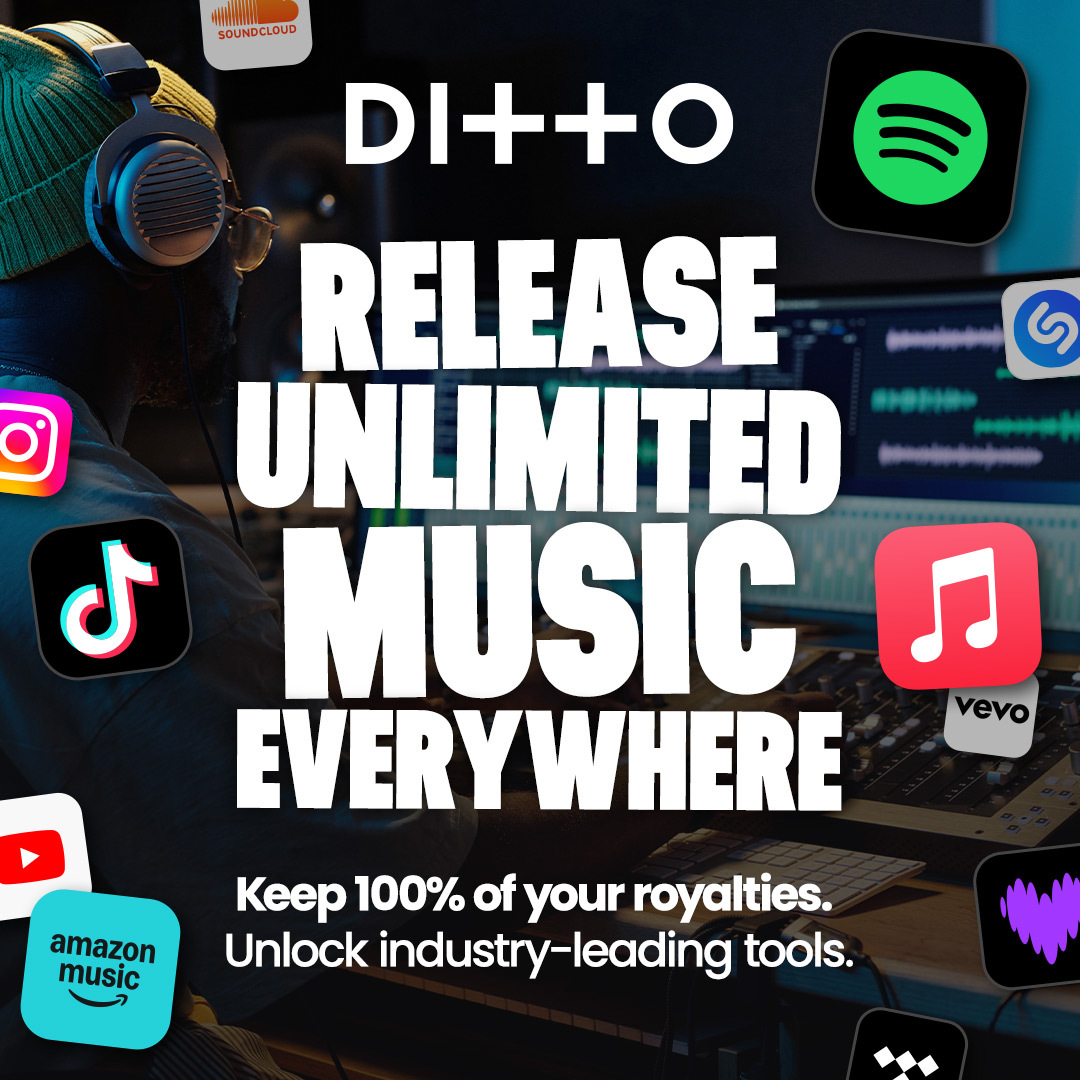
If you're an independent artist weighing your options among the many music distribution platforms out there, the smart move isn't to chase marketing hype. It's to focus on the things that actually affect your work after release day: ownership, royalties, platform reach, payout access, analytics, and support when something goes wrong. Ditto Music is one of the most talked-about names in self-serve music distribution, with a fairly direct promise: keep 100% of your royalties, release to 150+ platforms, and get access to a broader app and support ecosystem to manage the process.
That doesn't automatically mean Ditto is the right fit for everyone. But it does show where the brand positions itself: independence with control, rather than trading away your career in exchange for access to a bigger system.

1. Control and Ownership Come First
The first thing worth taking seriously is Ditto's repeated claim that artists keep 100% of their royalties, with no commission taken. On the pricing page, the platform reiterates that it doesn't cut into your royalty earnings — whatever you make, you keep. For an independent artist, this isn't just a nice bonus; it's the core trust question that shapes everything else.
At the plan level, Ditto offers three tiers: Starter (1 artist), Pro (2 artists), and Labels (3+ artists). This matters if you release under multiple names, run a side project, or eventually want label-style admin tools.
One distinction many newer artists overlook: distribution royalties and publishing royalties are not the same thing. Ditto offers a separate publishing service that helps artists recover additional royalties and access sync opportunities (getting music placed in film, TV, or ads). So when comparing value across plans, don't lump "basic distribution" together with "extra royalty collection" — they're separate value propositions.
2. Platform Reach — But Only If It Matches Your Real Goals
Ditto advertises distribution to 150+ platforms, naming major destinations like Spotify, Apple Music, TikTok, Amazon, YouTube, Instagram, Facebook, Deezer, and Tidal. That's a strong signal the platform is built for broad, mainstream digital reach rather than a narrow niche release setup.
That said, a big number alone isn't the real reason this matters. What matters is whether the platforms you actually care about are clearly named — and on Ditto's site, they are. That reduces guesswork for artists who want wide distribution without manually setting up relationships with individual stores.
The Starter plan also bundles in some genuinely useful operational tools: free pre-save SmartLinks, in-depth analytics, automatic split royalty payments, instant Spotify verification, and playlist submission access. For a self-directed artist, these day-to-day tools often matter more than marketing slogans.
3. Analytics, Payouts, and the App: Where the Real Experience Happens
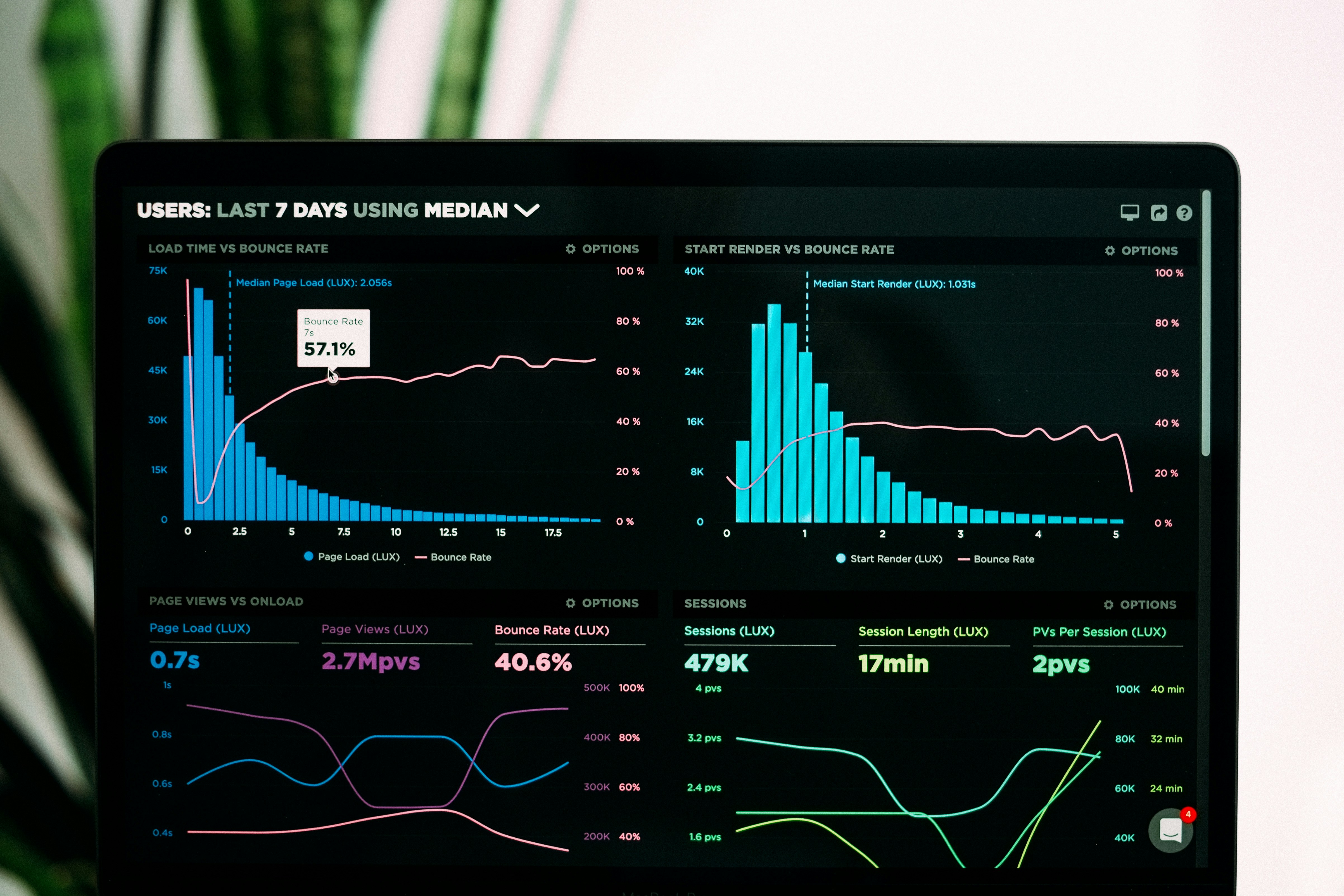
A lot of distributors sound similar right up until you ask: what happens after the release goes live? This is where the Ditto Music App becomes relevant. It lets artists check real-time streaming stats, track playlist placements, understand listener demographics, check and withdraw royalties, and share or monitor releases — all from a phone.
This is usually the point where independent artists decide whether a platform is really the right fit. If you like staying hands-on — tracking performance, managing splits, and cashing out without needing anyone to hold your hand — Ditto's current feature set lines up well with that style. But if you're looking for a distributor to act more like a full-service personal manager, these tools help, but they're not a substitute for comprehensive career management.
4. Reviews and Social Proof — Useful, But Read Them the Right Way
According to Ditto's own reviews page, the platform currently serves over 2 million artists worldwide, distributes to 150+ platforms, promises 100% rights and royalties, and holds a 4.2 out of 5 rating on Trustpilot based on nearly 5,000 reviews. That's a stronger trust package than a generic "artists love us" statement, since it combines scale, product positioning, and visible third-party review data all in one place.
More importantly, the reviews aren't all saying the same thing. Several recent snippets highlight responsive support, easy navigation, clear analytics, and straightforward royalty handling — the kinds of everyday friction points that matter most when evaluating a distributor. If these recurring themes match the problems you actually need solved, that's a far more useful signal than the star rating alone.
5. Support Structure — One of Ditto's Stronger Trust Signals
Ditto's support hub is more organized than a typical help page. It's broken into clear categories: FAQs, The Basics, Uploading Music, Making Edits, Getting Paid, Your Account, the Ditto Music App, Music Platforms, Copyright & Metadata, Fraud & Licensing, and even a section for artists thinking of leaving the platform. That breadth signals Ditto expects users to need more than a simple "upload and forget" experience.
Digging deeper, the Getting Paid section covers withdrawals, payout methods, split royalties, pending royalties, transfer fees, and withdrawal timing. The Uploading Music section addresses release builder issues, artwork and audio format requirements, featured artists, lyrics, genres, release timing, and even questions around AI-generated music. Making Edits covers artist name changes, release date changes, and adding stores after a release is already live.
For newer artists, The Basics section is especially helpful, answering foundational questions like pricing, rights ownership, multi-artist use, the depth of the analytics provided, what different release statuses mean, and whether a free trial is available. This doesn't guarantee every support interaction will be flawless, but it's a much stronger trust signal than being funneled into a vague contact form with no visible knowledge base behind it.
Who Is Ditto Music Best Suited For?
A good fit for: solo artists, self-managed acts, small teams, and small labels that want broad platform reach, 100% of distribution royalties, a visible support system, and app-based analytics and payouts.
Less ideal for: artists looking for high-touch management or a distributor to essentially run their career and release process for them.
Final Verdict
Ditto Music looks like a credible option for artists who want control first, not dependency first. The consistent emphasis across its site — keeping 100% of royalties, retaining rights ownership, reaching 150+ platforms, self-serve analytics and payouts, and a reasonably visible support structure — adds up to a coherent value proposition for genuinely independent artists.
It's a less natural fit for artists who want someone else to handle the entire process. Ditto's strongest signals are about tools, access, and artist-led control — not full-service career management.
The smartest next step is simple: check the trust signals and support resources first, then compare Ditto's current plans to see whether the platform actually matches how you like to work.
Popular Blog